
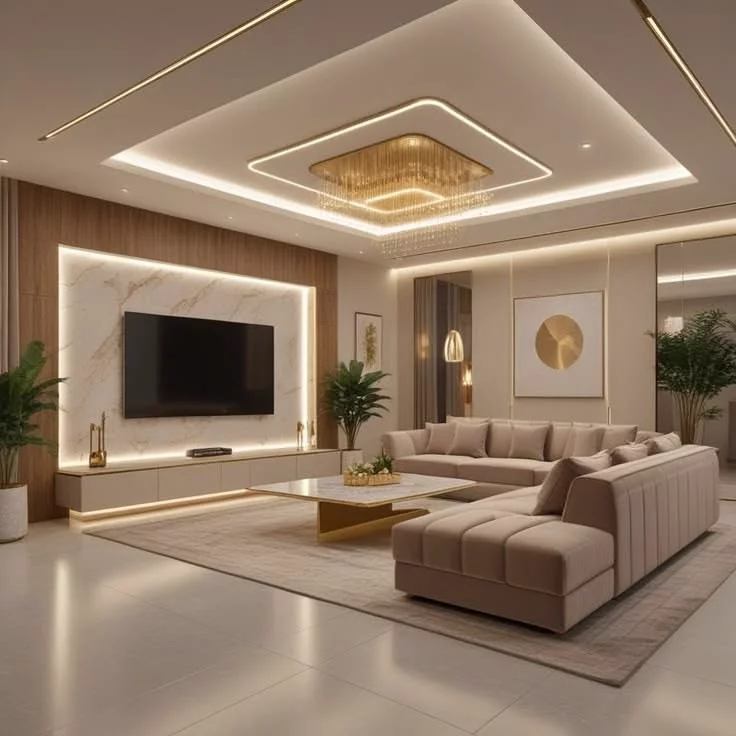
Most homeowners in Gurugram live in apartments where the building’s structure — entrance direction, room placement, window locations — is already fixed by the builder. This creates a common frustration: you want your home to follow Vastu principles, but you can’t move a wall or shift a room. The good news is that a large part of Vastu can be applied through interior design choices alone — furniture placement, color, lighting, and layout — without any structural changes. This guide focuses specifically on what’s realistically achievable within a typical Gurugram apartment.
Why Vastu Still Matters to Homeowners Today
Vastu Shastra is an ancient Indian system that connects the layout and orientation of a home to the flow of energy within it. While interpretations vary, the underlying idea — that a well-organized, well-lit, clutter-free home feels calmer to live in — lines up with basic design sense too. Many of our clients in Gurugram aren’t looking for a complete Vastu overhaul; they simply want practical adjustments that bring peace of mind without disrupting their daily life or budget.
Working with a Fixed Apartment Layout
Before getting into room-by-room tips, it helps to understand what’s actually changeable through interior design versus what would require structural work:
Changeable through interior design:
- Furniture placement and orientation
- Color palette
- Lighting design and fixture placement
- Mirror and artwork positioning
- Storage and clutter management
- Curtains, rugs, and soft furnishings
Requires structural change (often not practical in apartments):
- Moving the main entrance
- Shifting room locations entirely
- Changing window placements
Since most Gurugram apartment owners can’t touch the second list, this guide focuses entirely on what falls in the first.
Main Entrance and Foyer
The entrance is considered the point where energy enters the home, so even if you can’t change its direction, you can shape how it feels.
- Keep the entryway well-lit and completely free of clutter — shoes, umbrellas, and bags piled near the door work against a sense of openness
- A console table with a small plant or a piece of art creates a welcoming first impression
- If your entrance directly faces a wall, consider hanging a mirror or artwork that draws the eye further into the home rather than stopping it short
- Avoid placing a shoe rack or dustbin directly opposite the front door
Living Room
The living room is where most of the household’s daily interaction happens, so Vastu here focuses on comfortable, unobstructed movement and good energy flow.
- Arrange the main seating (sofa) so people naturally face the entrance of the room, rather than having their backs to it
- Heavier furniture pieces work best along the south or west walls, keeping the north and east more open
- Keep a clear walking path from the entrance to the seating area — avoid placing large furniture directly in the flow of movement
- Choose calming, light color palettes — soft creams, light greys, and warm neutrals — for walls and large upholstery pieces
- Electronic appliances like the television and speakers are best grouped in the southeast corner of the room where practical
Kitchen
The kitchen holds particular importance in Vastu as it’s linked to health and nourishment.
- Ideally, the stove is positioned so the cook faces east while cooking — if your kitchen layout doesn’t allow this, even a small adjustment in where the primary burner sits can help
- Keep the sink and stove from being directly adjacent to each other, since these represent opposing elements (water and fire) in Vastu
- Store heavier items and appliances toward the south or west of the kitchen, keeping the northeast corner lighter and less cluttered
- Good ventilation and natural light are considered important — if your kitchen lacks a window, prioritize strong exhaust and bright, warm lighting
Bedrooms
Bedrooms are tied to rest and relationships, so the focus here is on stability and calm.
- Position the bed so the headboard is against the south or southwest wall, with the sleeper’s head pointing south while sleeping
- Avoid placing the bed directly beneath a ceiling beam if your apartment has an exposed structural beam — if unavoidable, a false ceiling section can help visually soften this
- Keep mirrors out of direct view of the bed — if a wardrobe mirror faces the bed, consider covering it or repositioning the wardrobe
- Choose soothing colors for the bedroom — soft blues, lavenders, and muted earth tones are generally favored over bright reds or blacks
- For children’s bedrooms, southwest or west-facing walls for the study desk are considered supportive of focus and calm
Pooja Room or Meditation Corner
Many Gurugram apartments include a small dedicated pooja unit or corner, even without a separate room.
- The northeast corner of the home is considered the most favorable placement for a pooja unit, if your layout allows it
- Keep this space uncluttered, well-lit, and finished in light colors like white or cream
- If a separate room isn’t available, a dedicated pooja unit or wall-mounted shelf in a quiet corner works as a practical alternative
Study or Home Office Corner
With more people working from home, a dedicated study corner has become a common request from our Gurugram clients.
- Position the desk so you face east or north while working, which is considered supportive of focus and productivity
- Keep the workspace against a solid wall behind you rather than facing an open door, which can feel less stable while working
- Keep the desk clutter-free, with storage for documents and cables kept out of sight
Bathroom
- Bathrooms are best located toward the northwest of the home, and this is usually already the case in most standard Gurugram apartment layouts
- Keep the bathroom door closed when not in use, and ensure good ventilation and lighting
- Avoid placing a mirror directly facing the toilet seat, if your layout allows repositioning
Colors and Materials: A Quick Reference
- North: Greens and light blues
- East: Whites and light greens
- South: Reds, oranges, and warm tones (used sparingly, such as in accent walls)
- West: Blues and greys
- Northeast: Whites and light, airy tones
- Southwest: Earthy tones — browns, terracottas, muted yellows
These are general directional preferences rather than strict rules — most homeowners apply them as accent choices (like a feature wall or upholstery color) rather than repainting an entire room.
Practical Vastu Without Renovation
If none of the above feels achievable given your apartment’s fixed structure, three simple habits go a long way even without any redesign:
- Declutter regularly — Vastu strongly emphasizes that stagnant, cluttered spaces block the flow of positive energy, and this is something every homeowner can control regardless of layout
- Maximize natural light — keep windows unobstructed by heavy curtains during the day, and use light-colored, sheer fabrics where privacy allows
- Fix what’s broken — leaking taps, broken switches, or squeaky doors are considered Vastu concerns because they represent neglected, poorly maintained energy in the home — and they’re worth fixing anyway
Bringing Vastu and Modern Design Together
The most successful Vastu-conscious interiors we’ve designed in Gurugram don’t feel like a compromise between tradition and style — they simply start with Vastu as one input among several (alongside space planning, your family’s daily routine, and aesthetic preference) rather than the only rule. A skilled interior designer can usually find a layout that respects both.
At Navchitra Designs, we factor in Vastu preferences from the very first design consultation, working within your apartment’s real layout rather than suggesting changes that aren’t practical to make.
Get a Free Consultation and let’s design a home that feels right — structurally and energetically.
Frequently Asked Questions
Can Vastu be applied to an already-built apartment? Yes, largely through interior design choices — furniture placement, color, lighting, and decluttering — rather than structural changes, which are rarely practical in an apartment setting.
What if my apartment’s main door doesn’t face a favorable direction? This is common in Gurugram high-rises where entrance direction is fixed by the building design. In such cases, focus on what’s controllable — keeping the entryway bright, clutter-free, and welcoming — rather than the direction itself.
Does following Vastu increase interior design cost? Not significantly. Most Vastu-conscious choices are about furniture placement and layout planning rather than expensive structural changes, so the cost impact is minimal when planned from the start.
Is Vastu compulsory for a good interior design outcome? No — it’s entirely a personal choice. Many homeowners blend a few Vastu principles they find meaningful with a broader design approach focused on comfort and functionality.