
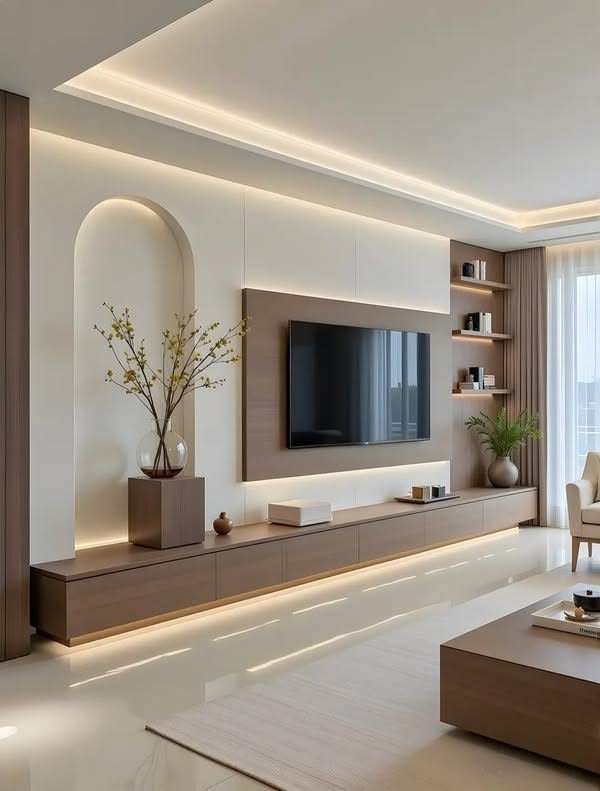
Delhi is one of India’s oldest and most architecturally diverse cities — a place where colonial-era bungalows in Lutyens’ Delhi sit a few kilometers from ultra-modern high-rises in Dwarka, and where century-old havelis in Old Delhi coexist with glass-fronted corporate towers in Connaught Place and Nehru Place. This diversity makes finding the best interior designer in Delhi a genuinely different challenge than in newer, more uniform cities — the right designer needs to understand heritage constraints as much as contemporary trends.
Whether you’re renovating a DDA flat in Rohini, restoring a bungalow in Golf Links, redesigning an apartment in Dwarka, or fitting out a startup office in Nehru Place, this guide walks through everything you need to know before hiring a design partner in the capital.
Why Delhi’s Interior Design Market Is So Diverse
Delhi’s interior design landscape is shaped by a few unique factors that don’t apply equally to every Indian city:
1. A huge range of property types. Few cities in India have this much variety within one metro area — from DDA and cooperative society flats in Rohini, Dwarka, and Pitampura, to independent builder floors in South Delhi neighborhoods like Greater Kailash and Vasant Vihar, to sprawling farmhouses in Chattarpur, to heritage properties in areas like Civil Lines and Old Delhi. Each property type comes with its own structural quirks, size constraints, and renovation regulations.
2. Heritage and regulatory considerations. Certain parts of Delhi fall under heritage zones or have specific municipal restrictions (particularly in and around Lutyens’ Delhi and parts of Old Delhi), meaning any interior designer working there needs familiarity with what structural changes are even permissible.
3. A wide income and lifestyle spectrum. Delhi’s population spans everything from ultra-high-net-worth families in Golf Links and Anand Niketan to young professionals renting 1BHKs in Lajpat Nagar or Mukherjee Nagar. The best interior designer in Delhi for one segment may be a poor fit for another simply because of differing budget expectations and project scale.
4. Strong demand from both residential and institutional/commercial clients. With central government offices, embassies, corporate headquarters, and a booming co-working scene in areas like Connaught Place, Nehru Place, and Saket, commercial interior design is just as active a segment in Delhi as residential work.
5. Climate considerations. Delhi’s extreme summers and cold winters, along with seasonal air quality concerns, have made ventilation planning, insulation, and air-purification-friendly layouts a growing priority for homeowners across the city.
What “Best” Actually Means When Searching for an Interior Designer in Delhi
The term gets used loosely across the industry, so it’s worth being precise about what should define the best interior designer in Delhi for your specific project.
1. A Verifiable Track Record
Portfolio photos are easy to curate; consistent delivery is not. Ask any shortlisted firm for two or three completed projects you can either visit or verify with the client directly. In a city as large as Delhi, firms that have handled work across multiple neighborhoods — each with different structural realities — typically demonstrate more adaptable expertise than those with a narrow geographic focus.
2. End-to-End Execution Capability
The best interior designer in Delhi should ideally manage more than just the creative vision. Look for capability across:
- Space planning and layout design
- Modular furniture and custom carpentry
- Electrical and civil coordination
- Vendor and contractor management
- Material sourcing and quality control
- On-site project supervision
Given Delhi’s older building stock in many areas, civil and structural coordination matters more here than in newer cities — a firm that can manage this in-house, rather than outsourcing to unknown third-party contractors, significantly reduces project risk and is often a defining trait of the best interior designer in Delhi for complex properties.
3. Transparent, Itemized Pricing
Design costs in Delhi vary widely depending on locality, property age, and finish level. A transparent, room-by-room quote — rather than a vague lump sum — is one of the clearest signs you’re dealing with a serious firm rather than one prone to hidden costs later in the project.
4. Designs Tailored to the Property, Not a Template
Because Delhi’s housing stock is so varied, a template-driven approach fails more often here than in cities with more standardized construction. A 1970s DDA flat, a 1990s builder floor, and a newly constructed high-rise apartment each demand different structural and design considerations — the best interior designer in Delhi will adapt their approach property by property rather than applying one fixed formula.
5. Genuine After-Sales Support
Post-handover support — typically a 6 to 12 month window for addressing modular fittings, minor defects, or adjustments — is a strong indicator of a firm’s confidence in its own execution quality.
Residential vs. Commercial Interior Design in Delhi
As in most major cities, residential and commercial interior design in Delhi are distinct specializations, even though many firms offer both.
Residential design in Delhi typically covers:
- Flats and apartments in Dwarka, Rohini, Pitampura, and Janakpuri
- Independent builder floors in South Delhi (GK1, GK2, Vasant Vihar, Panchsheel Park)
- Farmhouses in Chattarpur and Mehrauli
- Heritage or older properties in Civil Lines and parts of Old Delhi
- DDA flats and cooperative housing societies across East and West Delhi
Commercial design in Delhi typically covers:
- Corporate office fit-outs in Connaught Place, Nehru Place, and Jhandewalan
- Co-working and startup office spaces
- Retail interiors in markets like Khan Market and South Extension
- Restaurant and hospitality interiors
- Institutional and embassy-adjacent commercial spaces
If you’re evaluating a firm, confirm their specific experience in the category that matches your project — an interior designer in Delhi with a strong residential track record in South Delhi bungalows isn’t automatically the right fit for a 10,000 sq. ft. corporate office fit-out in Nehru Place, and vice versa.
Popular Delhi Localities and Their Design Needs
South Delhi (GK1, GK2, Vasant Vihar, Panchsheel Park, Anand Niketan) — Home to some of the city’s most premium independent floors and bungalows. Design work here often leans toward contemporary luxury, with an emphasis on high-end materials, custom carpentry, and statement architectural elements, often alongside significant civil or structural work given the age of many properties.
Dwarka and Rohini — Large, well-planned residential sectors dominated by DDA and cooperative housing flats. Design needs here tend to focus on smart space utilization, modular solutions, and budget-conscious execution given typically smaller floor plates compared to South Delhi.
Chattarpur and Mehrauli — Known for farmhouses and larger independent properties, often requiring landscape design alongside interiors, and more scope for architectural customization given larger plot sizes.
Civil Lines and Old Delhi — Older, sometimes heritage-adjacent properties requiring designers familiar with structural constraints, municipal regulations, and the specific challenges of renovating within established, dense neighborhoods.
Central and East Delhi (Lajpat Nagar, Mayur Vihar, Preet Vihar) — A mix of older housing and newer developments, popular for mid-range residential projects balancing budget with modern design sensibilities.
Understanding your locality’s typical construction era and constraints helps set realistic expectations for both design possibilities and cost.
Questions to Ask Before Hiring the Best Interior Designer in Delhi for Your Project
- Can I see 2–3 completed projects similar in scope and property type to mine? A finished South Delhi bungalow renovation tells you little about a firm’s capability with a Dwarka apartment, and vice versa.
- What is included in the design fee, and what is billed separately? Clarify civil work, electrical, false ceiling, painting, and furniture costs individually.
- Who manages on-site execution? Confirm whether it’s an in-house team or subcontracted labor, since this affects accountability.
- Are you familiar with any municipal or heritage restrictions relevant to my property? Especially important in Lutyens’ Delhi, Civil Lines, and parts of Old Delhi.
- What is the expected project timeline, and what happens in case of delays? Ask about penalty clauses or written guarantees.
- Is there a formal contract with milestone-based payments? Avoid firms requesting large upfront payments without a documented schedule.
- What warranty applies to modular furniture and fittings? Most reputable firms offer 1–2 years on modular work.
- Do you handle vastu-compliant layouts if required? Still a common request across many Delhi households.
- How do you approach ventilation and air quality, given Delhi’s climate? Increasingly relevant given seasonal pollution concerns.
- Can you work within my specific budget range? Some firms specialize only in premium, high-ticket projects.
An interior designer in Delhi who answers these clearly, without hedging, is generally the safer choice — and it’s often the clearest practical test of whether you’ve found the best interior designer in Delhi for your specific project.
Design Trends Shaping Delhi Homes in 2026
Warm, layered minimalism. A shift away from stark white minimalism toward warmer palettes — muted earth tones, natural wood, and textured fabrics — that feel inviting rather than clinical.
Climate-responsive design. Given Delhi’s extreme summers, cold winters, and seasonal air quality issues, homeowners are increasingly requesting better insulation, air-purification-friendly layouts, and thoughtful window/ventilation planning.
Multi-functional spaces. With hybrid work now standard, spare rooms are frequently designed to double as home offices using foldable or modular furniture.
Heritage-modern fusion. In older South Delhi and Civil Lines properties, there’s growing interest in blending original architectural character — exposed brick, traditional jaalis, arched doorways — with contemporary furnishings, rather than stripping everything down to a purely modern look.
Smart home integration. Motorized curtains, app-controlled lighting, and home automation are increasingly standard requests, particularly in newer high-rise developments.
Sustainable material choices. Growing awareness around indoor air quality has increased demand for low-VOC paints and better-ventilated layouts. Organizations such as the Indian Green Building Council (IGBC) offer certification frameworks that some premium Delhi projects now reference when selecting materials.
A designer who stays current with these shifts — rather than repeating a fixed formula across every project — is generally better positioned to deliver a home that still feels relevant several years down the line, which is often what separates the best interior designer in Delhi from a firm doing purely transactional work.
The Full-Service Advantage in a City Like Delhi
Given Delhi’s structural diversity — from heritage bungalows to modern high-rises — the distinction between a pure interior design studio and a full-service design-and-build firm matters more here than in newer, more uniform cities.
A pure interior design studio typically handles the creative and planning side but relies on external contractors for structural or civil work. This can work for straightforward interior-only projects, but introduces coordination risk when structural changes are involved — a common scenario in Delhi’s older housing stock.
A full-service firm brings interior design, architecture, and construction together under one team, which matters most when:
- You’re renovating an older independent floor, farmhouse, or heritage-adjacent property requiring structural changes
- Your project spans both interior and exterior/landscape work
- You want a single point of accountability instead of juggling multiple vendors
- Your property falls within a zone with municipal or heritage restrictions requiring specialized navigation
Navchitra Designs, based in Delhi NCR, is one example of this integrated model — offering interior design, architecture, construction, and landscape design under a single team, with over 15 years of combined experience and 65+ completed projects across residential and commercial categories in Delhi and the wider NCR region. You can browse examples in our recent projects or learn more about our team and approach. For homeowners managing a complex renovation — especially involving structural or heritage considerations — this integrated approach significantly reduces the coordination burden compared to managing multiple independent vendors.
Budgeting for Interior Design in Delhi: A Realistic Breakdown
- Basic/Functional finish: ₹1,200–₹1,800 per sq. ft. — laminate-based modular furniture, standard fittings, minimal false ceiling work.
- Mid-range finish: ₹1,800–₹3,000 per sq. ft. — better-quality laminates or veneers, more detailed lighting and ceiling design, semi-customized furniture.
- Premium/Luxury finish: ₹3,000–₹5,000+ per sq. ft. — natural stone, imported fittings, fully bespoke furniture, and elaborate architectural detailing, common in South Delhi bungalow and farmhouse projects.
These figures are indicative and vary significantly based on the property’s age, whether civil or structural work is required, and current material costs. Always request a detailed, room-by-room breakdown — it’s one of the most reliable ways to confirm you’re working with the best interior designer in Delhi for your specific budget. Industry bodies like the Institute of Indian Interior Designers (IIID) publish general fee-structure guidelines that can serve as a useful reference point when comparing quotes.
The Design Process: What to Expect, Step by Step
Step 1: Initial Consultation. Understanding your property, household or team structure, budget range, and aesthetic preferences. Bring reference images to help calibrate expectations quickly.
Step 2: Site Measurement and Assessment. Precise measurements, structural checks, electrical and plumbing review, and — particularly relevant in Delhi — an assessment of any heritage or municipal restrictions that might apply.
Step 3: Concept Design and Layout. Initial layout options and a rough material and color palette. This is the cheapest stage at which to make changes.
Step 4: 3D Visualization. Photorealistic renders to preview the space before committing to execution.
Step 5: Detailed Quotation and Contract. An itemized bill of quantities and a formal contract outlining payment milestones and timelines.
Step 6: Execution and Site Supervision. Typically the longest phase, spanning 6–16+ weeks depending on scope — covering civil work, electrical, carpentry, painting, and installation.
Step 7: Handover and Snagging. A joint walkthrough to note any defects or incomplete items before final payment.
Step 8: Post-Handover Support. A warranty period for modular work and continued availability for minor adjustments.
How Long Does an Interior Design Project Typically Take in Delhi?
- Single room (bedroom, home office): 3–5 weeks
- Modular kitchen only: 4–6 weeks
- Full 2BHK apartment: 8–12 weeks
- Full 3BHK apartment or builder floor: 10–18 weeks
- Bungalow, farmhouse, or heritage property with structural work: 20–30+ weeks
- Commercial office fit-out (mid-size): 6–14 weeks depending on scale
Delhi’s older properties and heritage-zone regulations can extend timelines beyond initial estimates, particularly where municipal approvals are required for structural changes. Building in a buffer of 3–4 weeks for such projects is a realistic expectation.
Vastu and Heritage Considerations in Delhi Homes
Vastu compliance remains an important consideration for a significant share of Delhi households, particularly in joint-family homes and more traditional neighborhoods. This can influence entrance orientation, pooja room placement, kitchen positioning, and bedroom layout. If this matters to you, raise it explicitly during your first consultation.
Heritage sensitivity is a distinctly Delhi consideration. Properties in and around Lutyens’ Delhi, Civil Lines, and parts of Old Delhi may fall under specific preservation guidelines that restrict certain structural changes. A designer with prior experience navigating these regulations — including liaising with municipal authorities where required — can save significant time and prevent costly compliance issues later in the project, and this heritage fluency is often what sets the best interior designer in Delhi apart when working in these zones.
Interior Design for Different Life Stages and Household Types
Young professionals and couples in 1–2BHK apartments across areas like Lajpat Nagar or Dwarka typically prioritize compact, multi-functional furniture and a strong home-office setup.
Growing families often need durable, easy-to-clean materials, safe furniture edges, and flexible layouts that adapt as children grow.
Joint families, common across many Delhi neighborhoods, typically require careful space planning that balances privacy with shared common areas, along with vastu compliance and a design sensibility that blends modern functionality with cultural familiarity.
Senior or retired homeowners often prioritize accessibility — wider doorways, non-slip flooring, better lighting — and a thoughtful designer will raise these considerations proactively.
Corporate and institutional clients setting up office space in areas like Nehru Place or Connaught Place tend to prioritize brand expression, flexible layouts, and increasingly, wellness-oriented design elements as part of a broader shift toward employee-experience-focused workplaces.
Red Flags to Watch Out For When Searching for the Best Interior Designer in Delhi
- Unusually low quotes compared to market averages, often signaling corner-cutting on materials or hidden costs later.
- No written contract or payment schedule.
- Reluctance to share past client references or verifiable project addresses.
- Pressure for large upfront payments before design work has even begun.
- Vague answers about warranty or heritage/municipal compliance, particularly for properties in regulated zones.
- No traceable physical office or business address.
Verifying these details before signing anything is a core part of vetting the best interior designer in Delhi for your specific project, and can save significant time, money, and stress later in the process.
How to Shortlist the Best Interior Designer in Delhi: A Practical Approach
With so many firms operating across the city, narrowing down a shortlist can feel overwhelming. A structured approach tends to work better than browsing endlessly through Instagram portfolios or generic “top 10” listicles.
Start with your specific property type and locality. As covered earlier, Delhi’s housing stock varies enormously — a firm well-versed in South Delhi bungalow renovations may not have deep experience with Dwarka high-rise apartments. Narrow your search to firms with demonstrable experience in your specific property category before evaluating them as a candidate for the best interior designer in Delhi title.
Cross-check online presence with real-world verification. Google reviews, a firm’s website, and social media give you a starting impression, but they shouldn’t be the deciding factor when judging who qualifies as the best interior designer in Delhi for your project. Ask to see at least one completed project in person, or speak directly with a past client, before signing anything. This single step filters out a surprising number of firms that look impressive online but struggle with actual execution.
Get at least two to three comparative quotes. Pricing varies significantly across Delhi’s interior design market, and comparing itemized quotes — not just the bottom-line number — helps you understand where each firm is allocating cost differently. A firm that seems significantly cheaper than others is worth questioning closely on what’s actually included.
Evaluate communication style during the sales process itself. How a firm communicates before you’ve signed anything is often a reliable predictor of how they’ll communicate once the project is underway. Slow responses, vague answers, or reluctance to put things in writing at this early stage rarely improve later.
Taken together, these four checks go a long way toward identifying the best interior designer in Delhi for your specific situation, rather than simply the one with the most polished marketing.
Common Mistakes Homeowners Make When Choosing a Delhi Interior Designer
Even with the right checklist in hand, certain mistakes come up repeatedly among Delhi homeowners navigating this process for the first time.
Prioritizing price over process. The cheapest quote is rarely the best value once hidden costs, delays, and rework are factored in. It’s worth evaluating a firm’s process and accountability structure alongside — not instead of — cost.
Skipping the site visit stage. Some firms offer to design based on a floor plan alone, without a proper site visit. In a city like Delhi, where structural quirks are common even within seemingly standard property types, this significantly increases the risk of design and execution mismatches later.
Not clarifying who handles municipal approvals. For properties requiring structural changes, especially in heritage-sensitive zones, homeowners are sometimes unclear on whether the designer or the homeowner is responsible for securing necessary approvals. This should be explicitly agreed upon before work begins.
Underestimating timeline buffers. Given Delhi’s mix of older buildings, seasonal weather disruptions, and occasionally slower municipal processes, many first-time renovators are caught off guard by delays that experienced homeowners have come to expect and plan around.
Avoiding these common missteps is often just as important as finding the best interior designer in Delhi in the first place — a strong designer paired with unrealistic homeowner expectations can still lead to a frustrating project experience, regardless of how skilled that designer is.
Choosing Between a Design Studio and a Full-Service Firm in Delhi
Beyond the full-service versus pure-design distinction covered earlier, it’s worth understanding the practical trade-offs of each model specifically in the Delhi context, where project complexity varies so widely by property type.
For straightforward apartment interiors — a Dwarka flat or a Rohini DDA unit without structural changes — a focused interior design studio, even one without in-house construction capability, can often deliver excellent results efficiently, provided they have a reliable network of vetted contractors.
For projects involving structural work, heritage considerations, or larger properties — a South Delhi bungalow renovation, a Chattarpur farmhouse, or any property requiring municipal approvals — a full-service firm with in-house architecture and construction capability generally reduces risk substantially. The coordination overhead of managing separate design and construction vendors increases proportionally with project complexity, and Delhi’s older building stock means this complexity is more common here than in many other Indian cities.
Understanding which category your project falls into before you start shortlisting firms can save considerable time, since it immediately narrows your search to firms genuinely equipped for your specific scope.
Final Thoughts: Choosing the Right Fit, Not Just the “Best” Label
There is no single interior designer in Delhi who is objectively the best fit for every homeowner or business — the right choice depends heavily on your property type, locality, budget, and how much structural complexity your project involves. What consistently matters is transparency, a verifiable track record, end-to-end accountability, and designs that respect both the property’s constraints and how you actually intend to live or work in the space.
Whether you’re restoring a bungalow in Golf Links, redesigning a flat in Dwarka, or fitting out an office in Nehru Place, taking the time to properly vet a designer — asking the right questions, checking completed projects, and getting full cost clarity — will do far more for your outcome than simply chasing whichever firm currently ranks highest in a Google search. You can read more about our approach to interior design and architecture services or explore our recent projects to see how these principles apply in practice.
Frequently Asked Questions (FAQs)
1. Who is considered the best interior designer in Delhi? There’s no single firm that’s universally the best interior designer in Delhi — it depends on your property type, locality, and budget. The strongest fit is typically a firm with a verifiable track record, transparent pricing, end-to-end execution capability, and designs suited to your specific property, especially given how structurally varied Delhi’s housing stock is.
2. What is the average cost of interior design in Delhi? Costs generally range from ₹1,200 to ₹5,000+ per sq. ft. depending on the locality, property age, and finish level. Always request a detailed, room-by-room quote rather than a single blended rate.
3. How long does a full home interior project take in Delhi? A full 2BHK typically takes 8–12 weeks, while a 3BHK or builder floor can take 10–18 weeks. Bungalows, farmhouses, or heritage properties requiring structural work can take 20–30 weeks or more, especially where municipal approvals are involved.
4. Do I need special permissions to renovate a property in Lutyens’ Delhi or Old Delhi? Often yes. Properties in heritage-sensitive zones may require municipal or preservation approvals for structural changes. It’s important to confirm this with your designer or architect before finalizing any structural design plans.
5. Should I hire an interior designer or a contractor directly? An interior designer brings planning, space optimization, and design expertise, while a contractor typically focuses only on execution. A full-service design-and-build firm offers better accountability since one team manages both design and execution under a single contract.
6. Do interior designers in Delhi handle vastu-compliant designs? Many do, though expertise varies by firm. If vastu compliance matters to you, raise it explicitly during your initial consultation so it can shape the layout from the outset.
7. What’s the difference between modular and carpentry-based furniture? Modular furniture is factory-made in standardized units and assembled on-site, offering faster, more consistent installation. Carpentry-based furniture is custom-built on-site, offering more flexibility but often longer timelines.
8. Is a formal contract necessary when hiring an interior designer in Delhi? Yes, always. It should clearly outline scope of work, itemized costs, payment milestones, timelines, and warranty terms — and should be signed before any significant payment is made.
9. Do interior designers in Delhi offer warranties on their work? Reputable firms typically offer 1–2 years of warranty on modular furniture and fittings, along with informal support for minor post-handover adjustments. Confirm this in writing before the project begins.
10. Do Delhi interior designers also handle commercial or office projects? Many full-service firms handle both residential and commercial work, including corporate offices, retail spaces, and hospitality interiors. It’s worth confirming a firm’s specific commercial experience before hiring them for an office project, since the design considerations differ meaningfully from residential work.
Looking to start your interior design project in Delhi? Whether it’s a heritage property restoration, an apartment renovation, or a commercial office fit-out, working with a full-service design-and-build team can simplify the process from concept to completion. Get in touch with our team to discuss your requirements and receive a detailed, transparent quote tailored to your property.